 📞:13381527768
📫:export@zaxmedical.com
📞:13381527768
📫:export@zaxmedical.com
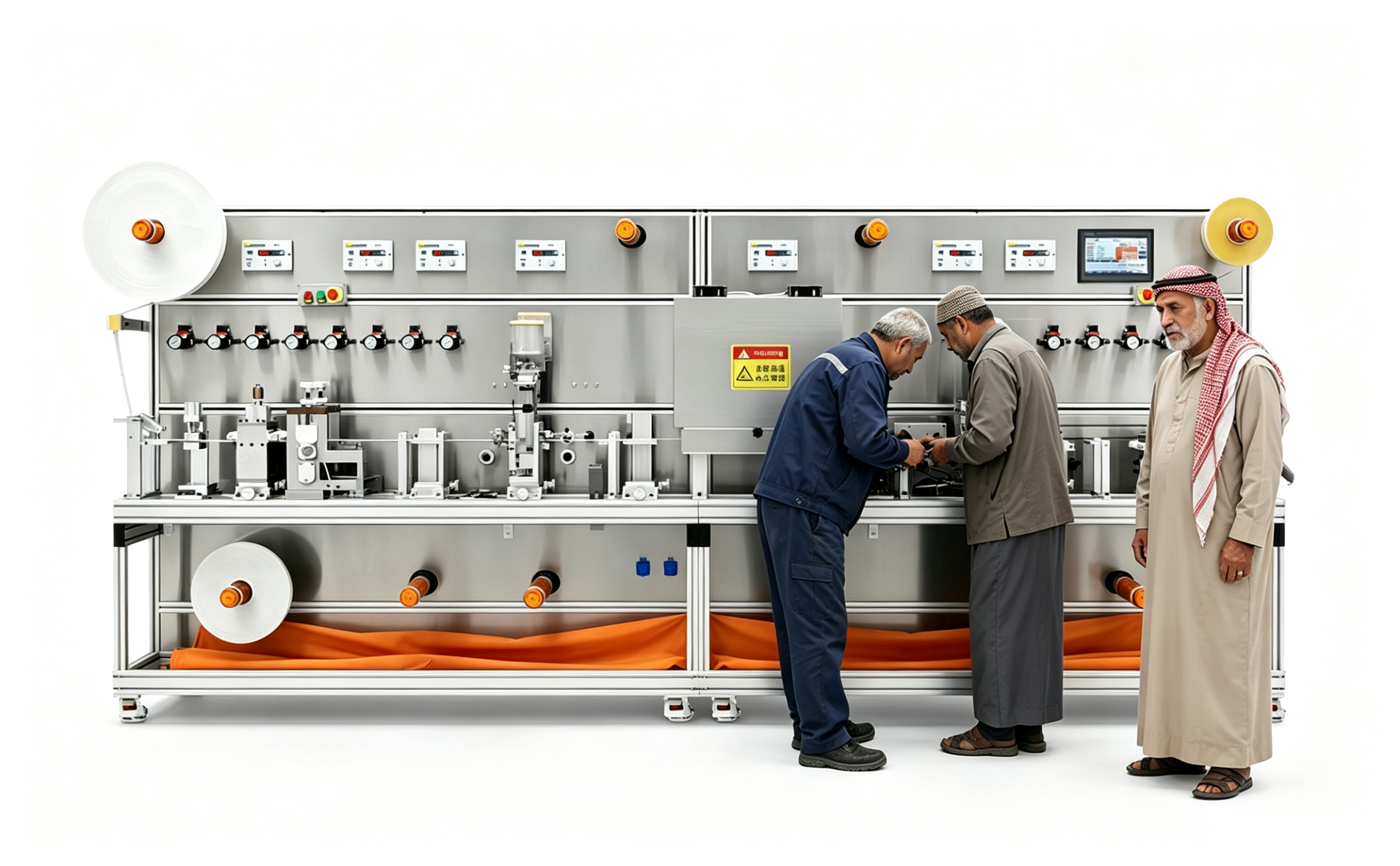
Common faults in disposable ECG electrode production line
The disposable ECG electrode production line integrates multiple processes such as dispensing, die-cutting, conductive buckle detection, automatic waste disposal, and defect removal. Long term high-speed production is prone to various equipment failures, directly reducing the electrode yield rate and causing production line downtime and losses. The high-frequency occurrence of process related failures in production is concentrated in droplet offset, molding deformation, and burrs on the edge of die-cutting, mostly due to unstable dispensing pressure, wear and tear of die-cutting dies, and imbalanced tension of the coil material; At the same time, there are often misjudgments in resistance testing at the conductive buckle detection station, and batches of electrode conductivity performance sampling are not qualified. The root cause is often the accumulation of dust in the detection sensor and the displacement of the buckle positioning. Many manufacturers lack standardized troubleshooting ideas, and small faults cause long-term shutdowns, seriously affecting the standard production capacity of 110 pieces per minute per day.
The failure of material conveying and automatic protection system is the second most common problem in the production line of electrocardiogram electrodes, including three typical situations: coil breakage, substrate shortage, and waste jamming. When the equipment is running, the coil material deviates and the waste material adheres and cannot be automatically peeled off, which will trigger the continuous automatic waste discharge module to jam; When the raw materials are exhausted or the coil is broken, if the sound and light alarm sensor is blocked by the colloid, it will continue to idle without warning, causing waste of substrate; In addition, it is also very common for the automatic removal mechanism of defective products to malfunction. Defective electrodes cannot be accurately diverted and mix into qualified product batches, increasing the workload of later quality inspection. These types of faults are mostly caused by dirty photoelectric sensors, improper pressure adjustment of waste rollers, and residual colloidal foreign objects in the material channel. Remote simple debugging can quickly repair them.
Electrical and overall operation failures are hidden problems that affect the long-term operation of the production line, including multi specification substrate switching lag, equipment start stop abnormal noise, program parameter disorder, and other situations. When replacing substrates of different sizes, the device switching program responds slowly and the positioning accuracy decreases, making it difficult to quickly accommodate multiple electrode types; After long-term high load operation, the transmission guide rail is short of oil, the servo motor is overloaded, and the overall operating conditions of the machine are unstable, with speed fluctuating between fast and slow; Beyond the warranty period, equipment is prone to line aging, alarm controller failure, and sudden shutdown without any fault prompts. It is recommended that enterprises establish a regular inspection mechanism, regularly calibrate die-cutting dimensions, clean detection sensors, replace worn-out cutting dies, and provide comprehensive after-sales maintenance services to avoid various failures in advance and ensure the continuous and stable mass production of ECG electrode production lines.